

The cash envelope budgeting system is a hands-on method where we allocate specific amounts of cash to different spending categories and use physical envelopes to keep track. Each envelope represents a category like groceries or entertainment, helping us manage finances and limit overspending. We withdraw cash, fill the envelopes, and spend only what's in them. It's an effective way to maintain financial discipline and be mindful of our spending. By doing this, we can avoid dipping into funds meant for other expensesMoney spent or costs incurred in an entity’s efforts to generate revenue, representing the cost of d.... Interested in how to implement this and its advantages? Stick around, and we'll guide you through it.

The cash envelope system is a budgeting method where we allocate specific amounts of cash to different spending categories to control our expenses. By using physical cash, we can more effectively manage our finances and limit overspending.
This method, known as cash envelope budgeting, involves withdrawing cash and placing it into envelopes that represent various budget categories, such as groceries, entertainment, and transportation.
With the envelope budgeting system, we can track our spending more accurately. Each envelope corresponds to a particular spending category, and we only use the cash from that designated envelope for its intended purpose. This helps us maintain financial discipline and avoid the temptation to dip into other funds when we run out.
Let's dive into the steps needed to implement cash stuffing for effective budget management. This system involves categorizing our expenses, allocating funds to specific envelopes, and using cash for our purchases. By following these steps, we'll guarantee our spending aligns with our budget and track our expenses more effectively.
First, we need to list all our monthly expenses. Common categories include groceries, entertainment, transportation, and utilities. This helps us understand where our money goes.
Next, we withdraw the total budgeted amount for the month and distribute the cash into envelopes labeled for each category. This physical separation of funds helps maintain discipline.
Whenever we make a purchase, we use the cash from the corresponding envelope. This prevents overspending, as we can only spend what's in each envelope. No cheating with creditThe ability to borrow money or access goods or services with the understanding that repayment will h... or debit cards!
At the end of the month, we'll evaluate any leftover cash in our envelopes. This allows us to adjust our budget categories for the next month or save the extra amount.
Implementing this system is straightforward and helps us stay disciplined in our spending habits.
Many advantages make cash envelope budgeting a powerful tool for managing our finances effectively. By using cash envelopes to allocate money to specific budget categories, we can track our expenses accurately and avoid overspending. This method lets us see exactly where our money is going and keeps us from mindlessly swiping a debit card. When the cash in an envelope is gone, it becomes clear that we've reached our limit for that category, promoting financial discipline.
Using cash instead of digital transactions increases our awareness of how much we've left to spend. This tangible method helps us prioritize our financial goals and fosters responsible money management. For those who are new to budgeting or have impulsive spending habits, the cash envelope system is particularly beneficial. It compels us to make conscious decisions about our spending and saves us money in the long run.
Aligning with the 50/30/20 rule, this system divides funds into needs, wants, and savingsThe portion of income not spent on current expenditures and set aside for future use or emergencies..../debt repayment categories. By adhering to these allocations, we can better control our finances and develop healthier spending habits.
While cash envelope budgeting has its benefits, it can also present several challenges that might hinder our financial management efforts. Here are some of the key disadvantages:
These drawbacks show that while the cash envelope system has its merits, it also presents significant hurdles that we need to take into account.
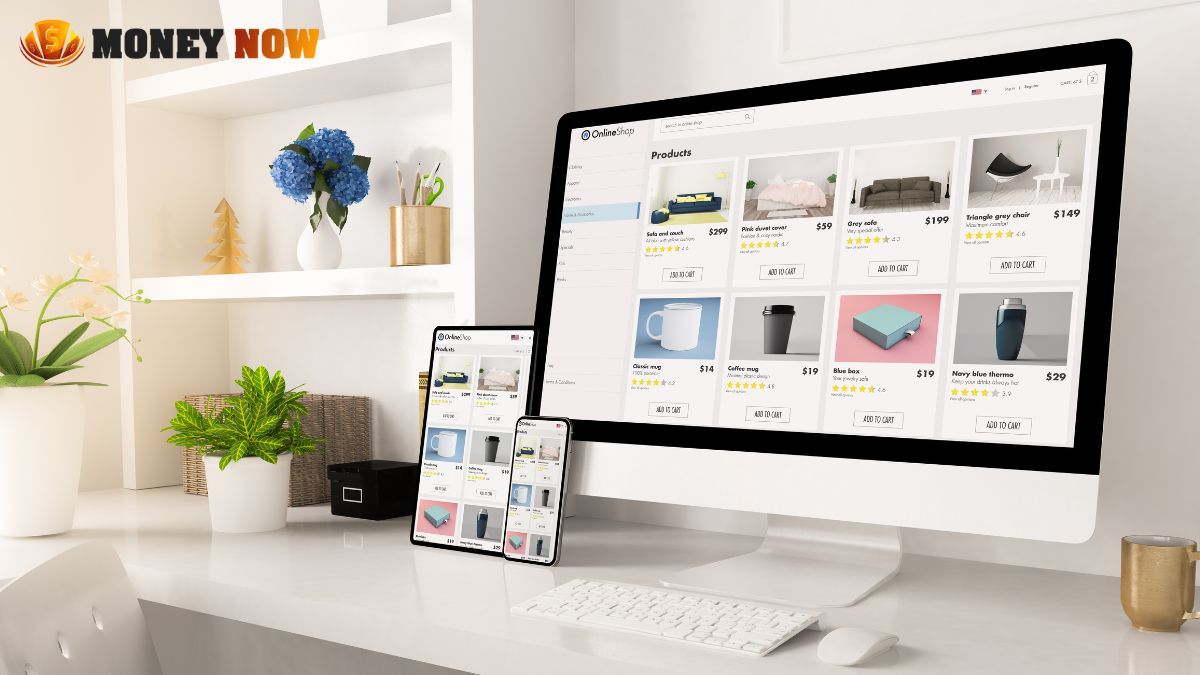
We can adapt the cash envelope budgeting system for online spending by setting specific budget amounts for our digital purchases. To manage online spending effectively, we can designate envelopes specifically for online expenses and write the budgeted amounts on them. This way, we can easily track our online spending just as we do with cash transactions.
Maintaining discipline is essential when adapting the envelope system for online purchases. It's important to stay within budget limits and resist the temptation to overspend. If we encounter shortages, we shouldn't borrow from other envelopes. Instead, we need to find ways to stretch the remaining cash or adjust our spending habits to stay on track.
Planning ahead is a key strategy to manage online spending within the cash envelope system. By reviewing our envelope balances and adjusting spending accordingly, we can guarantee that we're not exceeding our budgeted amounts. This forward-thinking approach helps us avoid financial pitfalls and keeps our budget intact.
Anyone seeking greater financial discipline and control over their spending will find cash stuffing particularly beneficial. The envelope budgeting method, also known as the cash stuffing method, is ideal for those of us who want to use cash to stick to a budget and avoid overspending. By adopting this tangible approach, we can enhance our financial discipline and make certain that we prioritize expenses effectively.
Here are four groups who can benefit from using the cash stuffing method:
We divide our monthly incomeMoney an individual or business receives in exchange for providing a product or service, or through ... into categories like groceries and rent, then allocate cash to labeled envelopes. We only spend the cash in each envelope, making it easier to avoid overspending and stay on track with our budget.
Yes, it really works! We've found that the envelope system helps reduce spending, boost financial awareness, and improve money management. By allocating cash to specific expenses, we avoid overspending and reach our financial goals quickly.
The downsides of using a cash envelope budget include the time spent withdrawing cash, safety concerns from carrying cash, managing multiple envelopes, unsuitability for digital transactions, and the riskThe chance of loss or the peril that an insured item, such as property or life, may be lost, damaged... of forgetting envelopes, leading to overspending.
Yes, cash stuffing is a good idea for us. It helps control spending, avoid overspending, and prioritize financial goals. By using physical cash, we become more aware of our funds and develop responsible spending habits.
To sum up, we've explored how the cash envelope system can transform our budgeting habits. By implementing cash stuffing, we can gain better control over our spending and savings.
While there are some drawbacks, the benefits often outweigh them, especially for those of us who struggle with overspending. Adapting to online purchases is key, and ultimately, this method can be a game-changer for many.
Let's take charge of our finances and see the difference it makes!
 Janice Watson


